

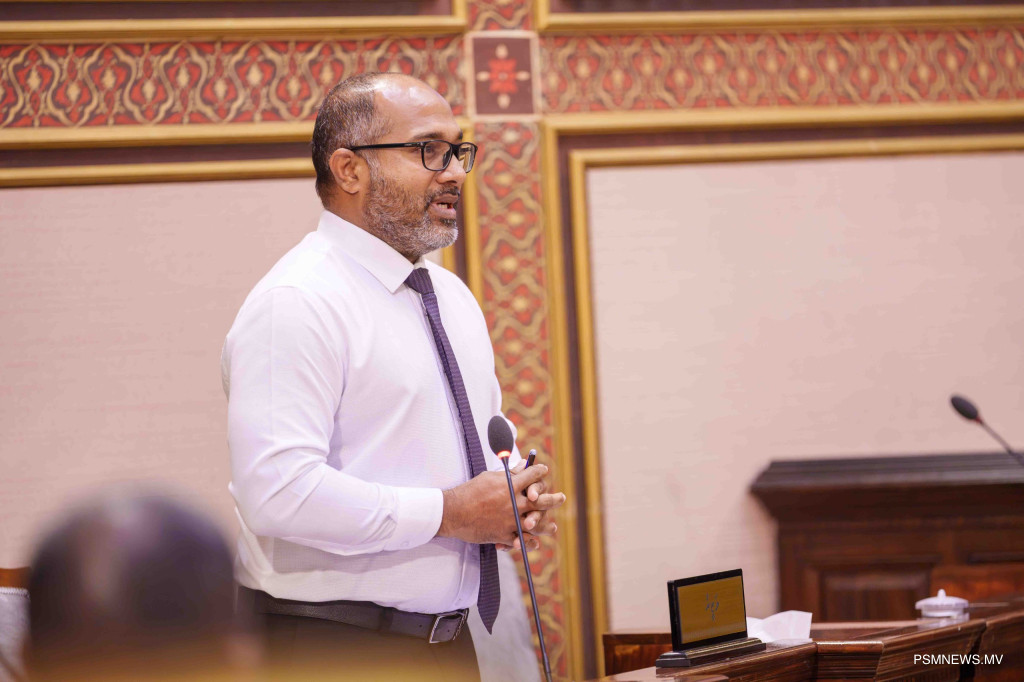
Implementing the death penalty is a policy of the current administration, and the government will enforce that policy, Ali Ihusaan, the Minister of Homeland Security, Labour and Technology, reiterated in response to legislative inquiries. While previous administrations repeatedly pledged capital punishment enforcement without carrying out executions, President Dr Mohamed Muizzu previously stated his administration will pursue active implementation, arguing that concessions on such matters in an entirely Islamic nation remain unavailable even to the head of state.
To satisfy mandatory legal prerequisites, the ministry is actively drafting legislation and establishing administrative frameworks for execution. "Implementing the death penalty is indeed a policy of this government," Minister Ihusaan stated, noting that authorities must legally govern the execution phase while making practical preparations for enforcement. Under President Muizzu, the scope of capital punishment has expanded to cover illicit drug trafficking, with penalties determined by the type and quantity of narcotics imported.
Addressing legal challenges from Meekail Ahmed Nasym, the member of parliament for South Galolhu, regarding public disclosures of sensitive police communications following a young adult's death on 23 April, Minister Ihusaan acknowledged that personal communications are legally protected.
"On that aforementioned day we were compelled," Minister Ihusaan explained, noting that releasing a timeline was essential to counter an organised misinformation campaign threatening public trust in law enforcement. Studying international benchmarks, the government is drafting a Data Privacy Act to ensure future disclosures remain strictly limited to what is necessary.