

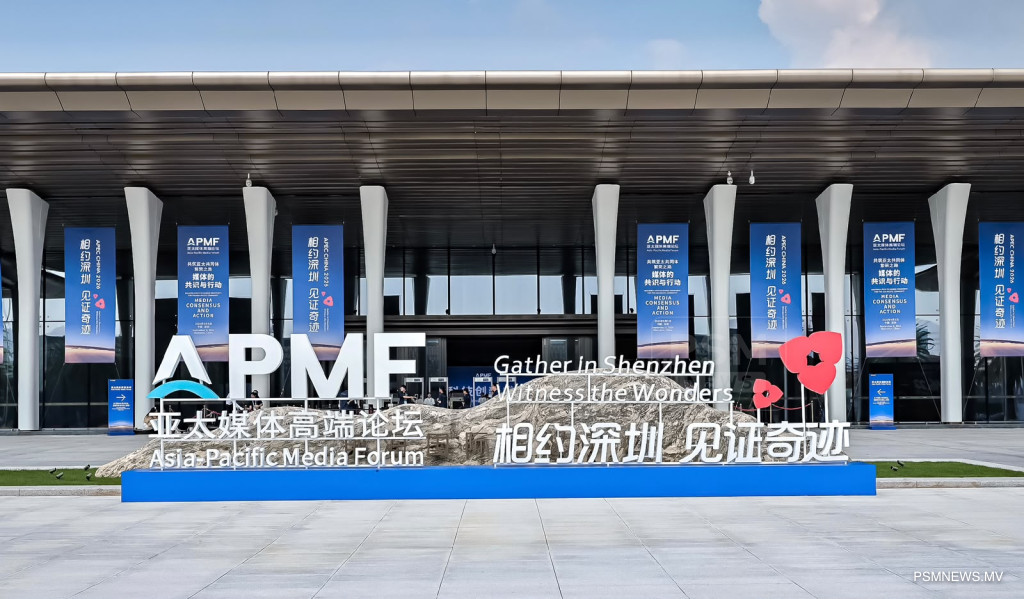
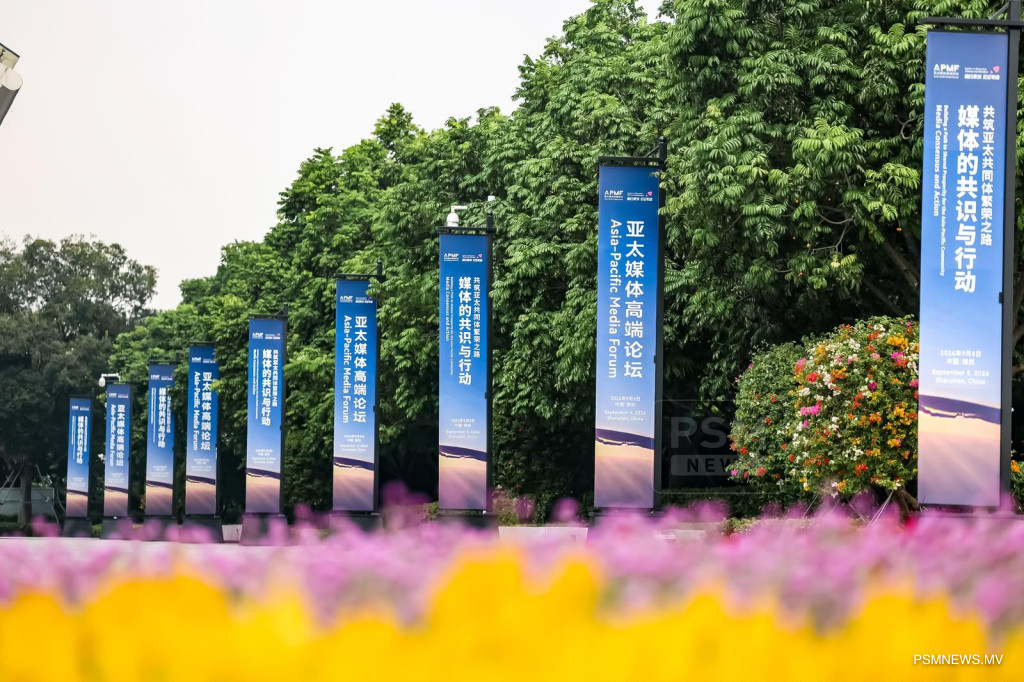
Media leaders, journalists, government representatives, academics and industry experts from across the world gathered in Shenzhen for the Asia-Pacific Media Forum 2026, a major international media gathering aimed at strengthening cooperation, mutual understanding and shared development across the Asia-Pacific.
Held under the theme “Building a Path to Shared Prosperity for the Asia-Pacific Community: Media Consensus and Action,” the forum brought together more than 400 representatives from over 40 countries and regions, alongside representatives of United Nations agencies and international organisations.
The forum was co-hosted by the Publicity Department of the Communist Party of China Central Committee, Xinhua News Agency and the Guangdong Provincial Government, and organised by the Shenzhen Municipal Government. Xinhua played a central role in bringing together media representatives from across the region and facilitating dialogue and exchanges around the future role of media in Asia-Pacific development and cooperation.
The gathering was held as China marks the 2026 APEC “China Year,” ahead of the 33rd APEC Economic Leaders’ Meeting, which will also be held in Shenzhen in November.
Media urged to strengthen cooperation and tell Asia-Pacific development stories
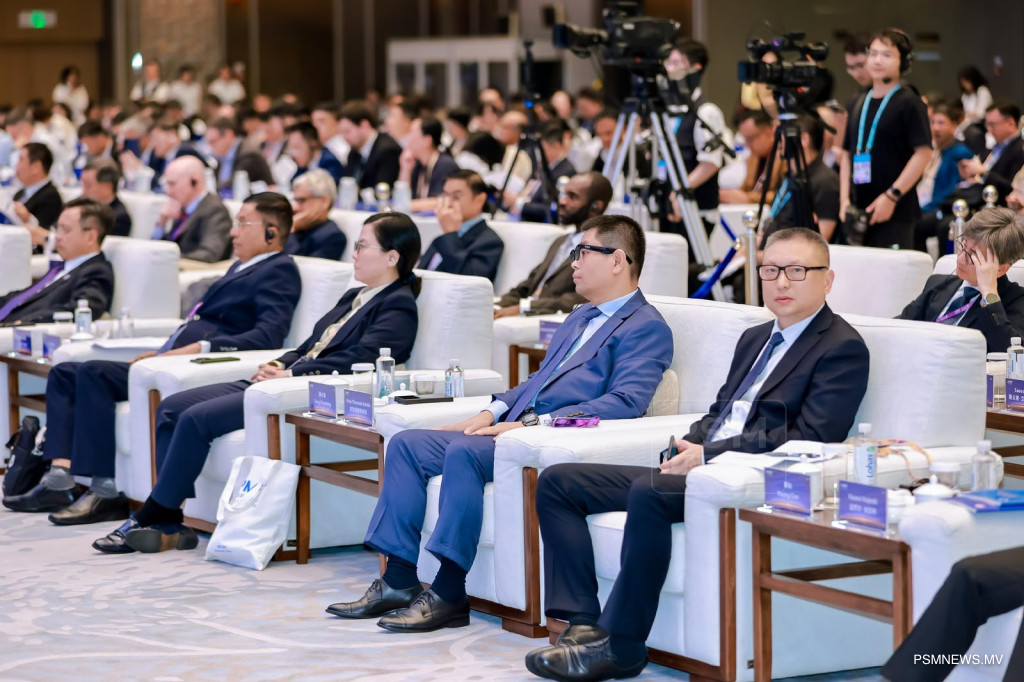
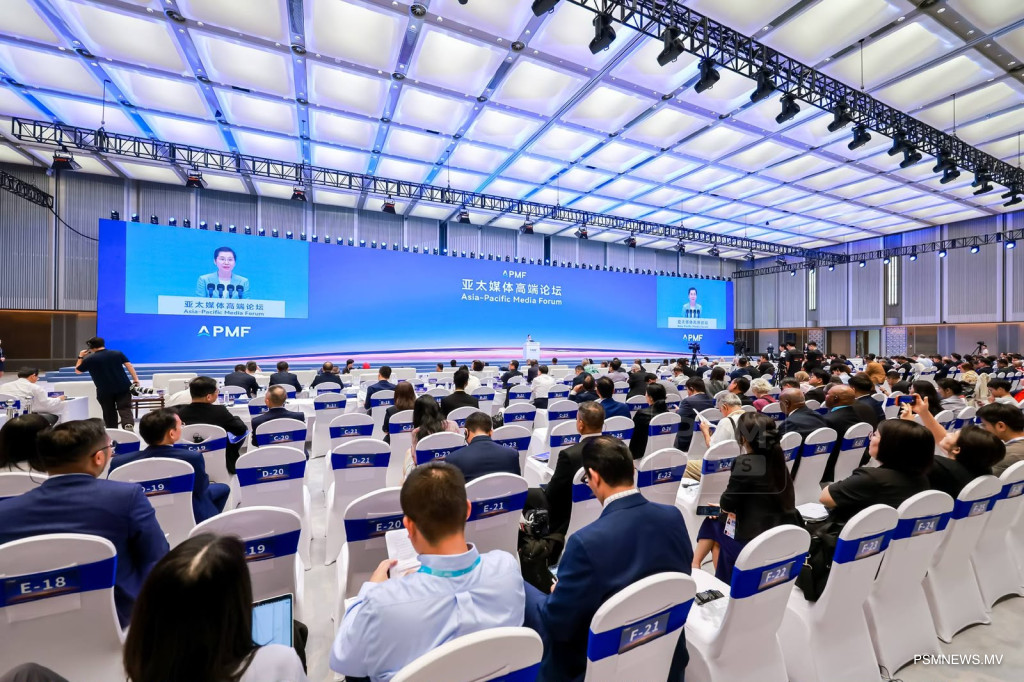
The main forum opened on 5 September at the Qianhai International Convention Center in Shenzhen.
Li Shulei, a member of the Political Bureau of the CPC Central Committee and head of the Publicity Department of the CPC Central Committee, delivered a keynote address, while Huang Kunming, a member of the Political Bureau of the CPC Central Committee and Secretary of the CPC Guangdong Provincial Committee, also addressed the gathering.
The opening programme also brought together senior representatives of international media, governments and institutions, including Xinhua News Agency Editor-in-Chief Lyu Yansong and United Nations Under-Secretary-General for Global Communications Melissa Fleming.
A central message emerging from the forum was that media have an important role in supporting development and cooperation across the Asia-Pacific by telling stories of openness and integration, explaining the region's development achievements and building greater public understanding of scientific, technological and economic progress.
Participants also called for deeper practical cooperation among media organisations through joint reporting, technological innovation and personnel training, while using media exchanges to promote cultural understanding and stronger connections among the peoples of the Asia-Pacific.
Shenzhen Consensus and new media cooperation mechanisms launched
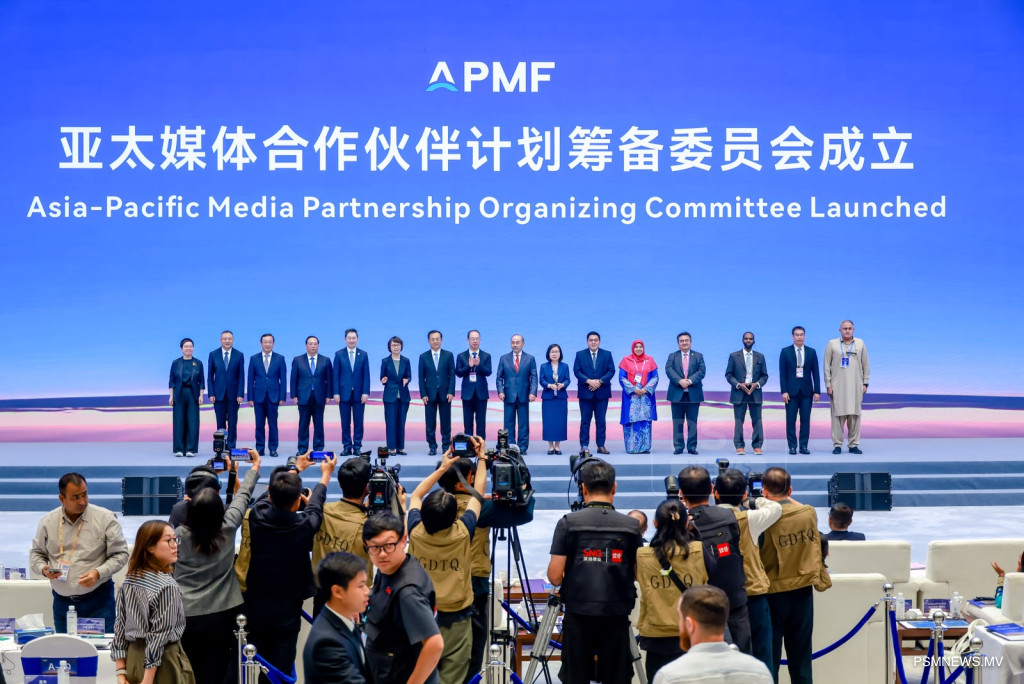
Beyond speeches and discussions, the opening ceremony produced a number of concrete outcomes aimed at strengthening regional media cooperation.
Sixteen founding organisations from China and abroad jointly formed the Organizing Committee of the Asia-Pacific Media Partnership Program, creating a new platform for sustained exchanges and collaboration among participating media organisations.
The programme also featured an exchange of media cooperation documents and the launch of the “Gather in Shenzhen, Create a Better Asia-Pacific” Media Cooperation Initiative.
Another major outcome was the release of the Shenzhen Consensus of the Asia-Pacific Media Forum, reflecting the forum's call for greater media cooperation and a stronger collective contribution towards development, mutual understanding and shared prosperity across the region.
PSM Chairperson represents Maldives at plenary session
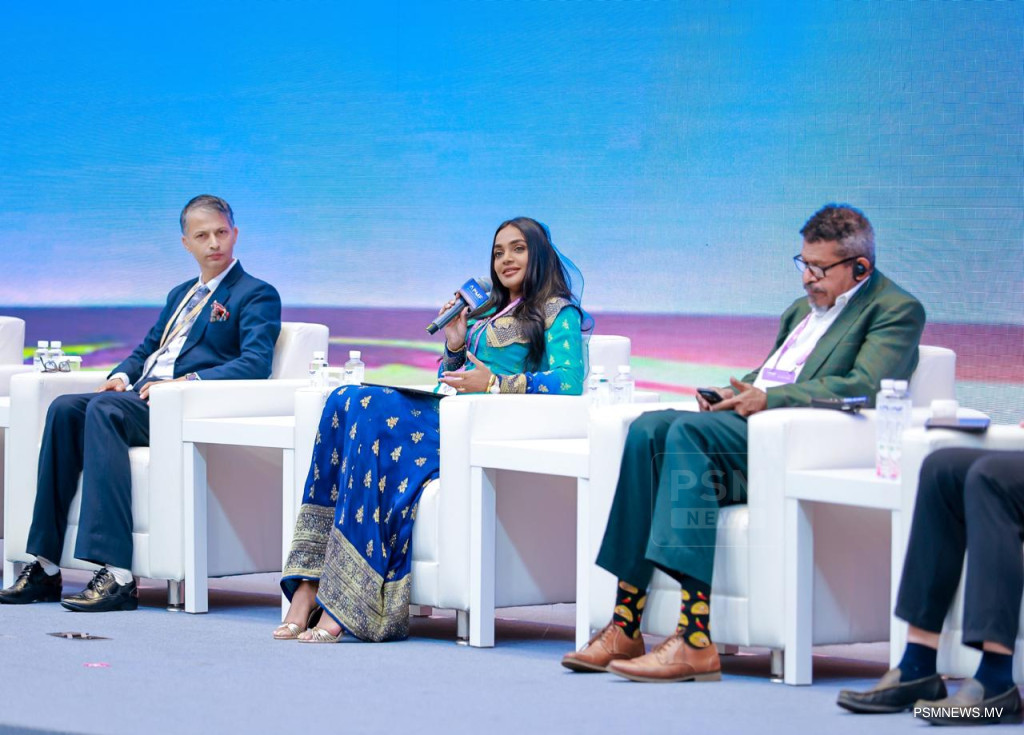
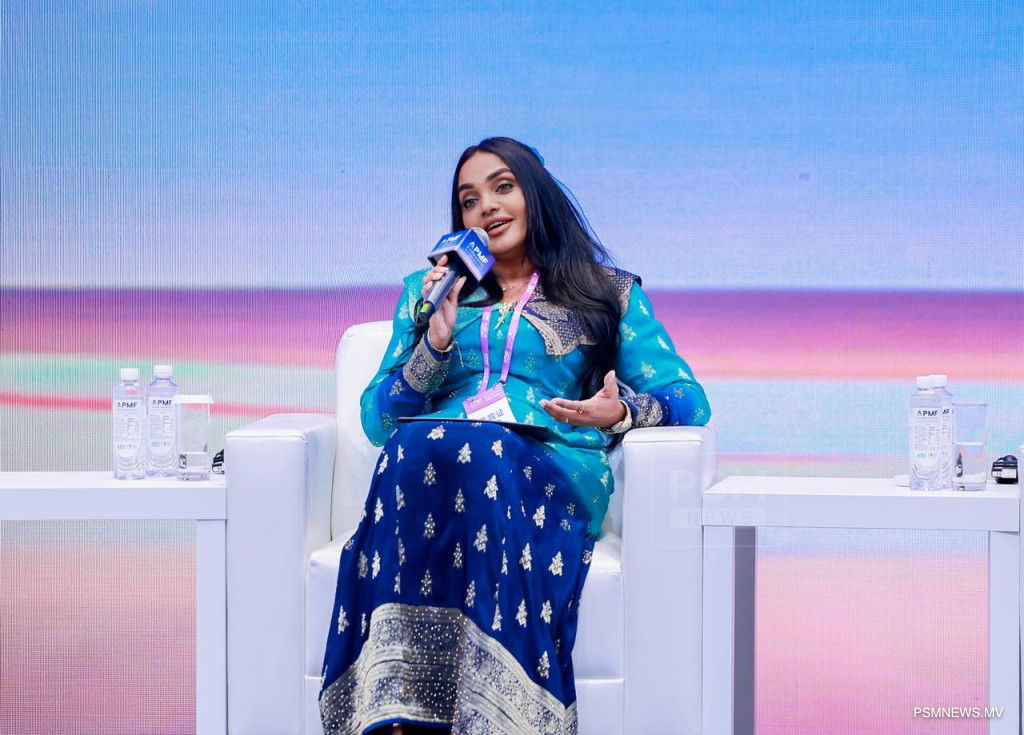
Public Service Media Chairperson Aminath Namza represented the Maldives at the forum and was among the speakers at the plenary session “Stories of Mutual Learning Among Civilizations.”
In her address, Namza highlighted the responsibility of media to move beyond narratives focused only on crises and vulnerabilities and to also tell stories of resilience, solutions and human progress.
Drawing on the experience of the Maldives as a small island nation, she said limitations do not have to limit ambition and stressed that meaningful lessons can emerge from countries and communities regardless of their size.
Namza also highlighted China's development experience, including its achievements in poverty reduction and green development, as examples of experiences from which other countries can learn. At the same time, she stressed that mutual learning should flow in all directions, with developing countries, small states and local communities also contributing ideas and solutions to shared global challenges.
Her session brought together speakers from Thailand, Vietnam, Nepal, Papua New Guinea and China, alongside representatives from academia and industry, to explore how storytelling and media can contribute to greater understanding among different societies.
The afternoon plenary further included “Stories of Industrial Integration,” bringing together international and Chinese speakers from media, business and technology.
Forum takes delegates beyond conference halls
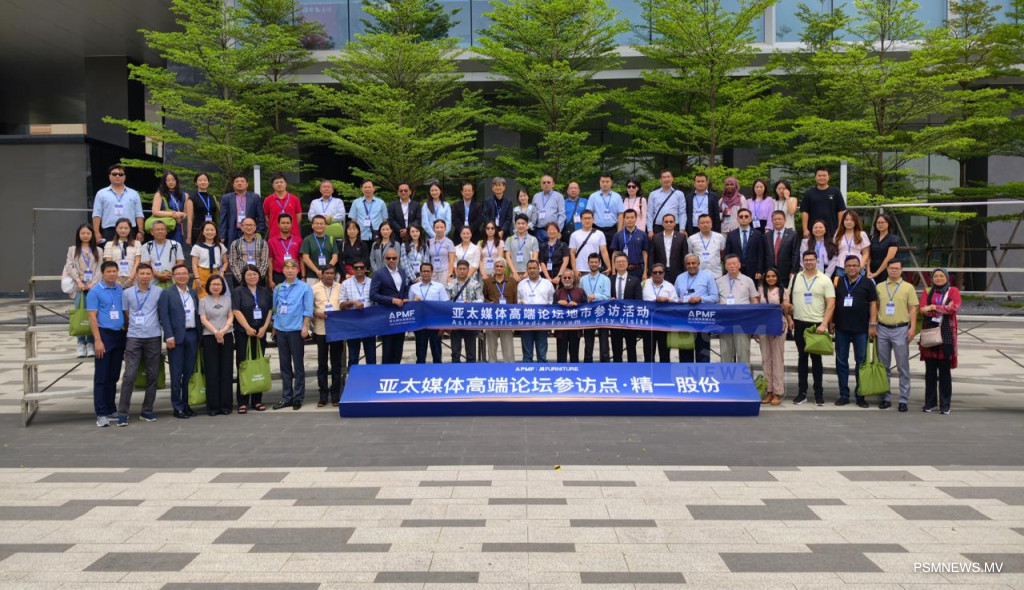
A distinctive feature of the Asia-Pacific Media Forum was that the programme extended well beyond formal discussions.
Ahead of the main gathering in Shenzhen, international participants were divided among three routes across six cities in Guangdong Province, combining sub-forums with field visits designed to provide first-hand exposure to China's development, technological innovation, advanced manufacturing, infrastructure, green transition and community development.
The official programme covered Guangzhou, Foshan, Dongguan, Shenzhen, Zhuhai and Zhongshan on 3 and 4 September before delegates converged in Shenzhen for the main forum.
Four sub-forums were also held in Guangzhou, Dongguan, Zhuhai and Shenzhen during the two-day programme.
From automated ports and high-speed metro to smart factories
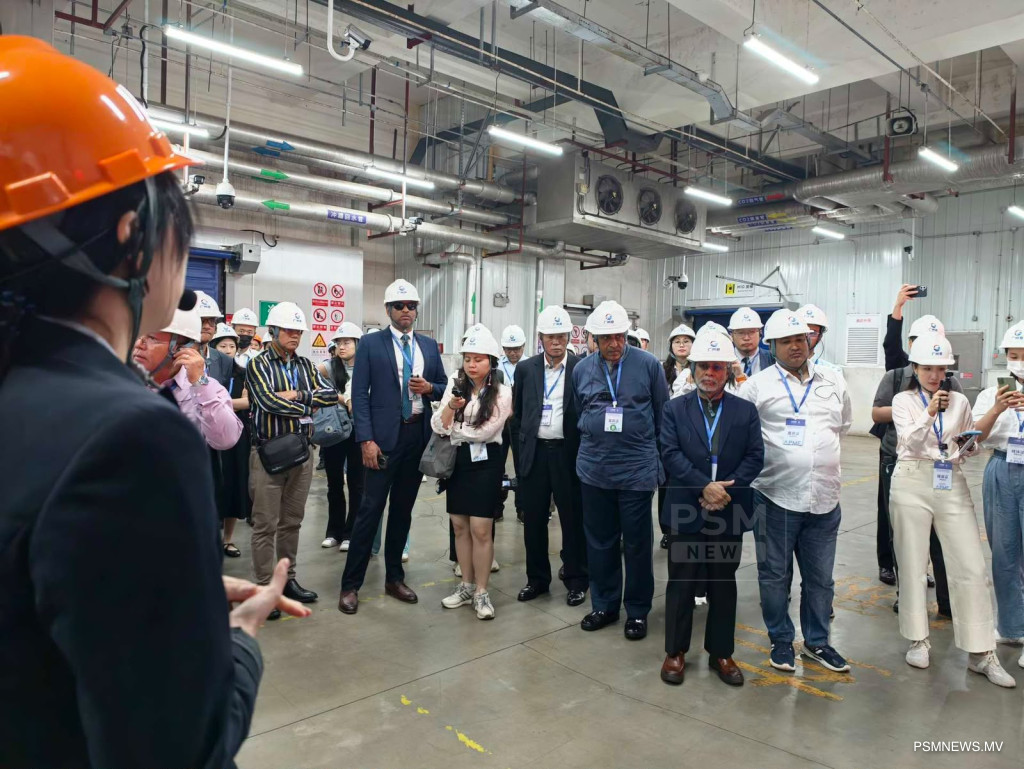
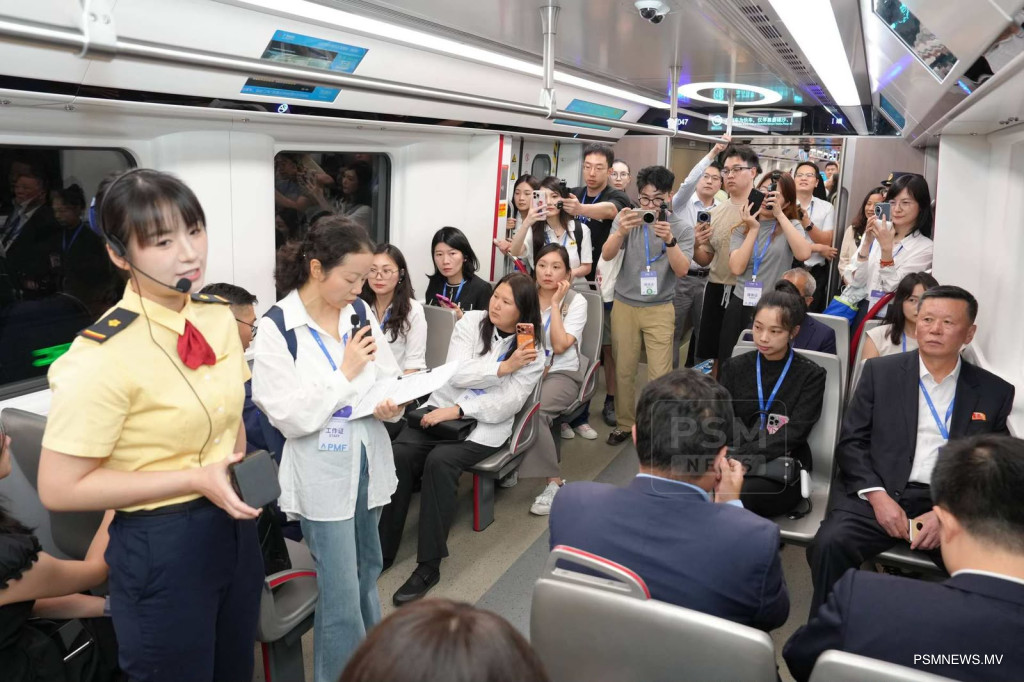
Participants assigned to the Guangzhou-Foshan route attended the Guangzhou sub-forum before travelling on Guangzhou Metro Line 18 and visiting the Nansha Port Phase IV Fully Automated Terminal and Nansha International Logistics Center.
The following day, the group travelled to Foshan, where visits included the Midea Microwave Oven Shunde Factory and Guangdong JE Furniture Co., Ltd., providing delegates with a closer look at China's manufacturing sector before travelling to Shenzhen.
The programme allowed visiting media professionals to experience how technology is being incorporated into transport, logistics and manufacturing. Xinhua's coverage of the visits also highlighted delegates' experiences aboard Guangzhou Metro Line 18 and at the automated Nansha Port terminal.
Innovation and green development showcased in Shenzhen and Dongguan
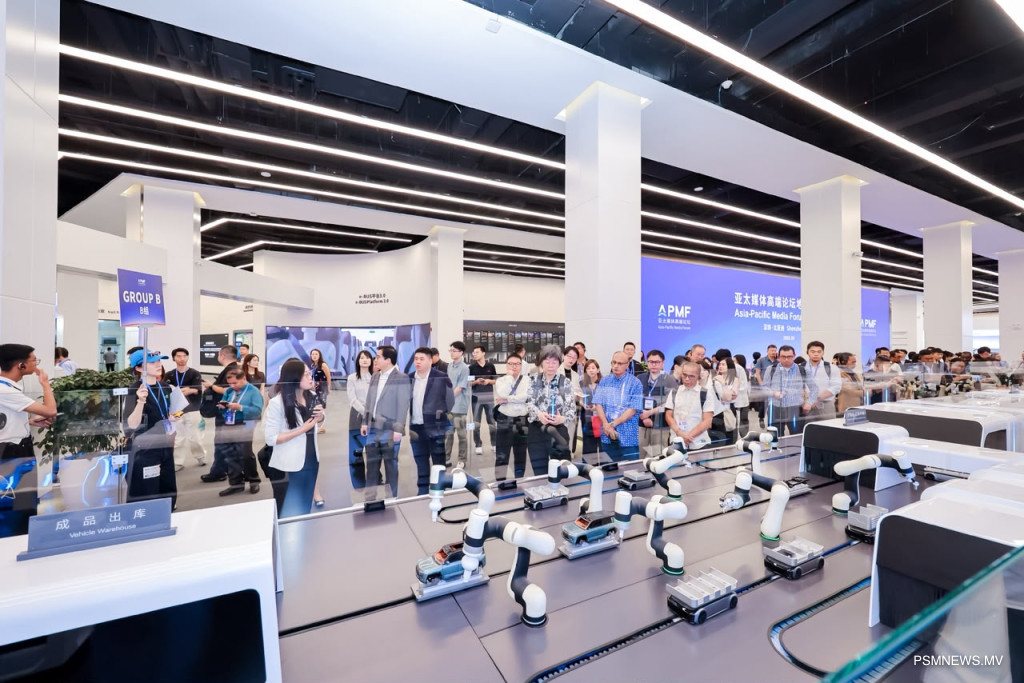
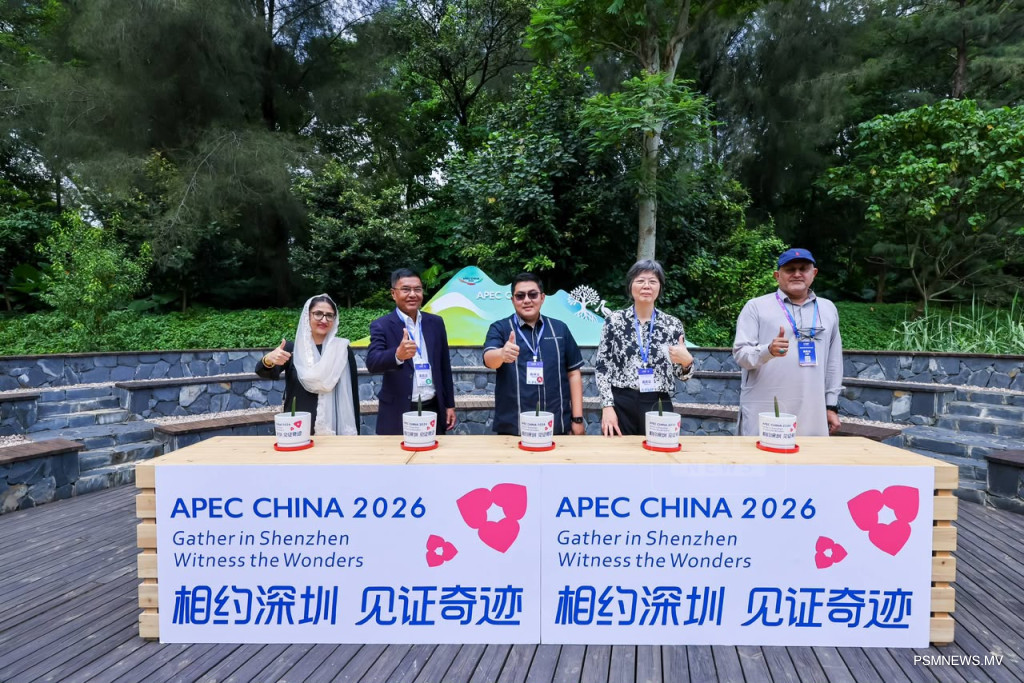
Participants on the Shenzhen-Dongguan route visited the DeRUCCI 5G Smart Gigafactory and OPPO Binhaiwan Park, followed by the Dongguan sub-forum and a visit to the Eye of the Greater Bay Area in Shenzhen.
On the second day, delegates visited BYD's Pingshan Headquarters, followed by Futian Mangrove and the Shenzhen sub-forum.
The visits provided participants with first-hand exposure to China's rapidly developing technology and electric vehicle industries. Xinhua reported on delegates visiting BYD's Shenzhen headquarters to see developments in electric vehicle and battery technologies.
Zero-carbon technology, mega infrastructure and rural development
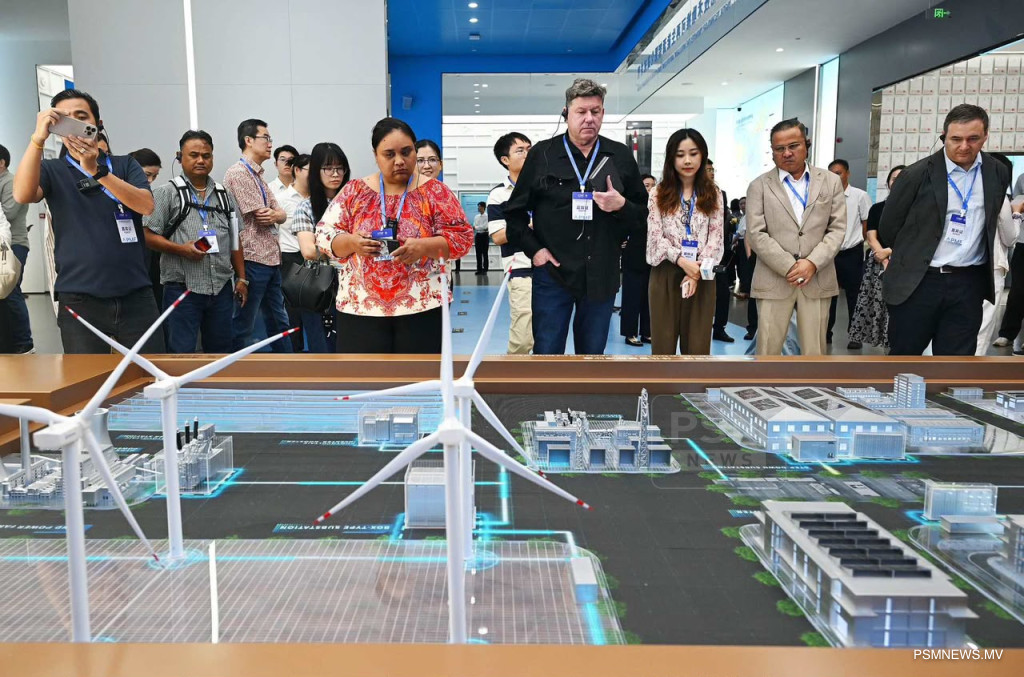
The third group travelled along the Zhuhai-Zhongshan route, where the programme combined major infrastructure and energy projects with community-level development.
Delegates visited China Southern Power Grid's Hengqin Digital Zero-Carbon Island Shared Laboratory and 220 kV Qinyun Substation, as well as Zhuhai Center Tower.
They also visited the Hong Kong-Zhuhai-Macao Bridge, one of the region's landmark infrastructure projects, and attended the Zhuhai sub-forum.
In Zhongshan, participants visited Ming Yang Smart Energy Group and Yakou Village, providing contrasting perspectives on China's development ranging from renewable-energy technology and industrial advancement to rural and community development.
Xinhua's coverage documented delegates interacting with intelligent inspection robot technology at the Qinyun Substation and the Hengqin Digital Zero-Carbon Island Shared Laboratory, as well as their visit to the Hong Kong-Zhuhai-Macao Bridge.
Building connections through media
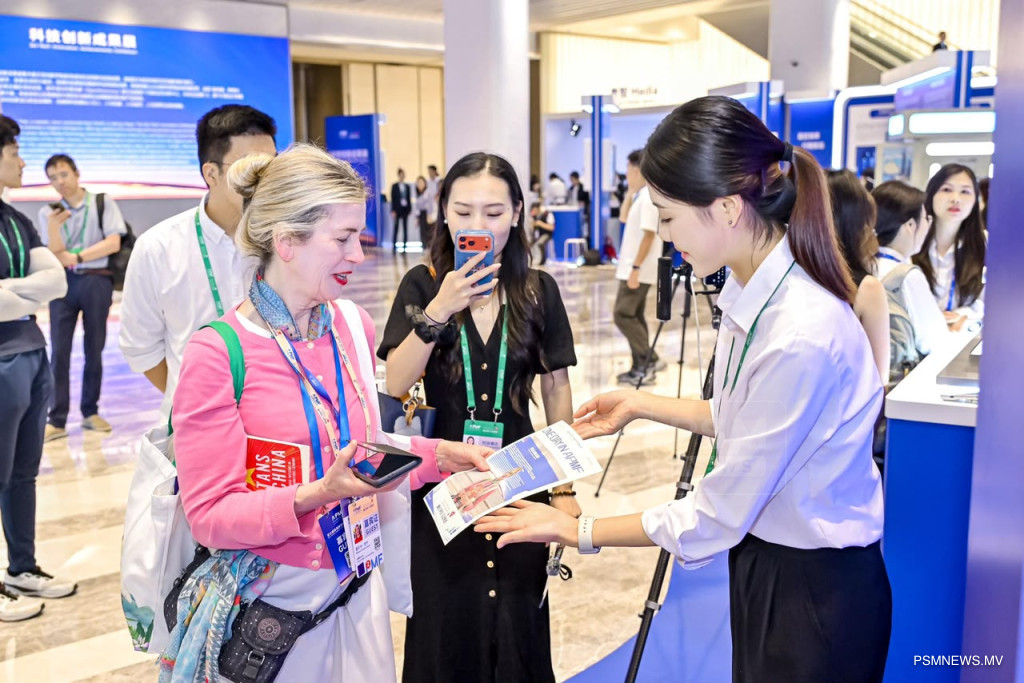
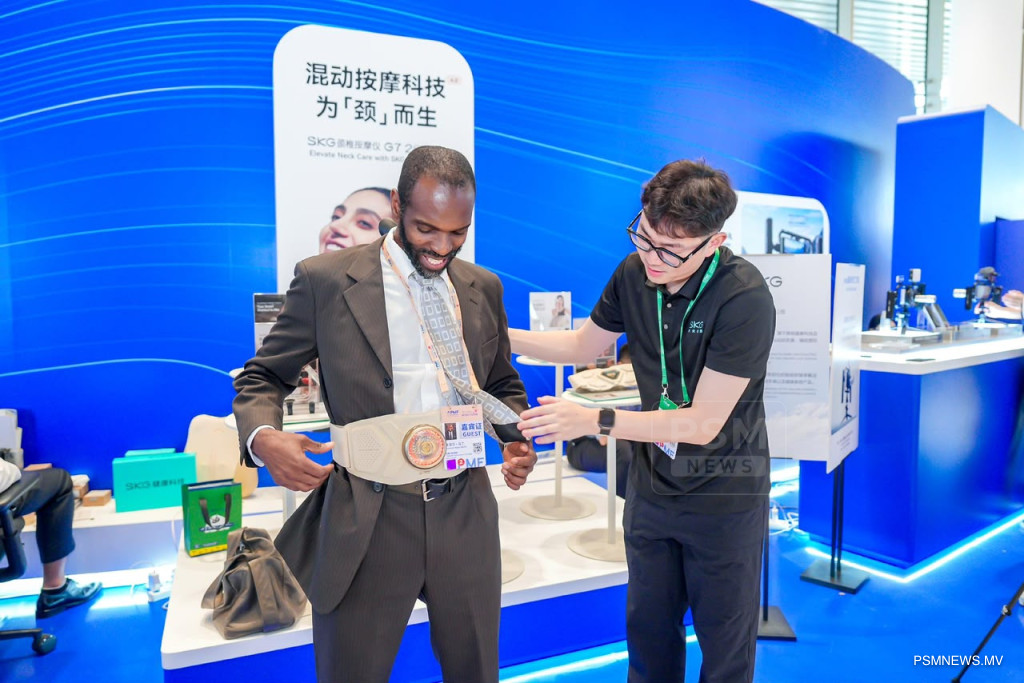
Following the field programmes, participants from the three routes came together in Shenzhen on 5 September for the opening ceremony and plenary session. The main programme also included a Science and Technology Innovation Showcase at the Qianhai International Convention Center.
The plenary programme further showcased Asia-Pacific development stories and initiatives for greater communication and cooperation among journalists and media organisations across the region.
Through a programme combining dialogue, media cooperation and first-hand exposure to China's development, the Asia-Pacific Media Forum sought to create stronger connections among media organisations while encouraging journalists to tell the diverse stories shaping the region.
The forum's message was that amid rapid technological change and an increasingly interconnected Asia-Pacific, media have a responsibility not only to report events, but also to build understanding, facilitate mutual learning and ensure that the experiences and achievements of different societies are heard across borders.
For the Maldives, PSM's participation provided an opportunity to contribute the perspective of a small island developing state to that wider conversation while strengthening ties with media organisations across China and the Asia-Pacific.