

The Human Rights Commission of the Maldives (HRCM) has stated that its annual report, published each year, is a document compiled to assess how well the Commission is fulfilling its responsibilities in line with laws, regulations, and international conventions, and that it is not an investigative report.
The Human Rights Commission of the Maldives released its annual report for the past year on the 30th of last month.
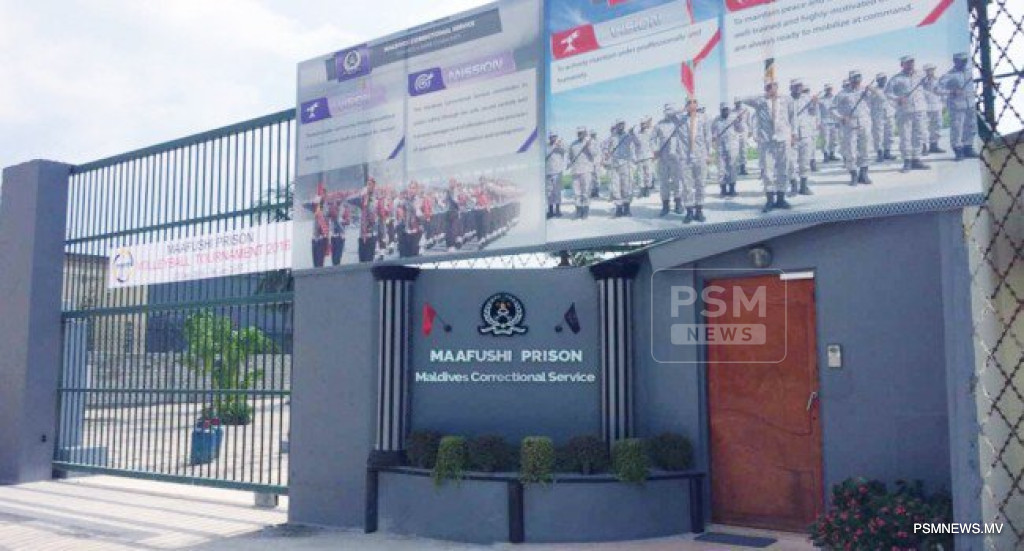
HRCM noted that under the National Preventive Mechanism established within the Commission, one of its four main objectives, and the most important is to visit places where individuals, including children, are deprived of their liberty under state custody, and to assess the conditions of those facilities. This includes observing how detainees are treated, identifying any acts of cruel, inhuman, or degrading treatment or punishment, or any risks that such acts may occur. It also involves ensuring that law enforcement authorities and other officials treat detainees in accordance with laws, regulations, and international standards.
Speaking to PSM News, the Director General of the National Preventive Mechanism, Ameera Naeem, said that the Commission’s work in inspecting detention facilities and compiling reports is not investigative in nature.
“Our mandate is to understand the conditions of places where people are held under state custody in a manner that restricts their liberty, and to compile reports based on those findings. These reports include recommendations for relevant authorities to bring about improvements. The reports we produce are not prepared for investigative purposes,” Ameera said.
The Commission is empowered to gather information during visits to places such as detention centres and prisons through interviews and observations, and to prepare reports based on these findings. It also submits recommendations to relevant authorities to improve the services provided to detainees and efforts aimed at reintegrating them into society. Additionally, the Commission holds meetings based on evidence and advice, and works collaboratively with the government, Parliament, and all relevant stakeholders to address necessary reforms. Raising public awareness is also a key responsibility of the Commission.