

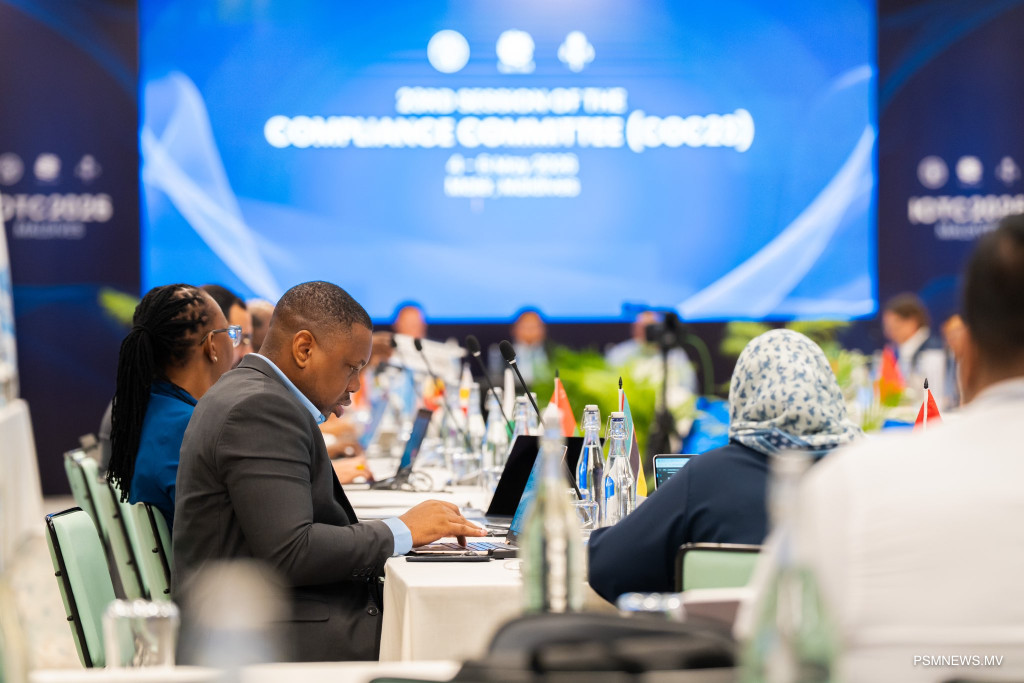
The Indian Ocean Tuna Commission (IOTC) has kicked off its 30th Annual Meeting in the Maldives, bringing together more than 200 delegates, fisheries experts, and senior officials from across the Indian Ocean region and around the world.
The two-week gathering, running from the 4 to15 May at the Barcelo Nasandhura hotel in Male’, marks a significant moment for both the island nation and the broader regional fisheries community. This year's meeting holds particular historical importance as it represents the first time the IOTC has chosen the Maldives as its host country, underscoring the nation's growing prominence in international fisheries governance and policy formulation.
The meeting commenced with the Compliance Committee session, initiating a comprehensive programme of technical and commission-level discussions that will engage member states, observers, and various stakeholders.
The Compliance Committee serves a critical function within the IOTC's institutional framework, responsible for monitoring and reviewing the regional monitoring, control, and surveillance systems. These systems are essential for planning, conducting, managing, and protecting fisheries resources while simultaneously promoting transparent and responsible practices across the region's tuna and seafood fisheries.
The decision to host this significant international gathering reflects the Maldives' strategic priorities and ambitions within the fisheries sector. The Ministry of Fisheries, Agriculture, and Ocean Resources has characterised the event as a pivotal opportunity to further strengthen the nation's fisheries industry while enhancing its role on the international stage.
Ministry officials emphasised that holding the IOTC annual meeting in the Maldives will provide a substantial boost to the domestic fisheries sector, creating valuable networking opportunities and increased visibility for Maldivian fisheries expertise.
By hosting such a prominent regional meeting, the Maldives has demonstrated its capacity to serve as a meaningful contributor to fisheries policy discussions at both regional and international levels. The IOTC operates as the primary regional fisheries authority responsible for the conservation of marine species and associated ecosystems throughout the Indian Ocean, while overseeing the sustainable management of these valuable natural resources.