

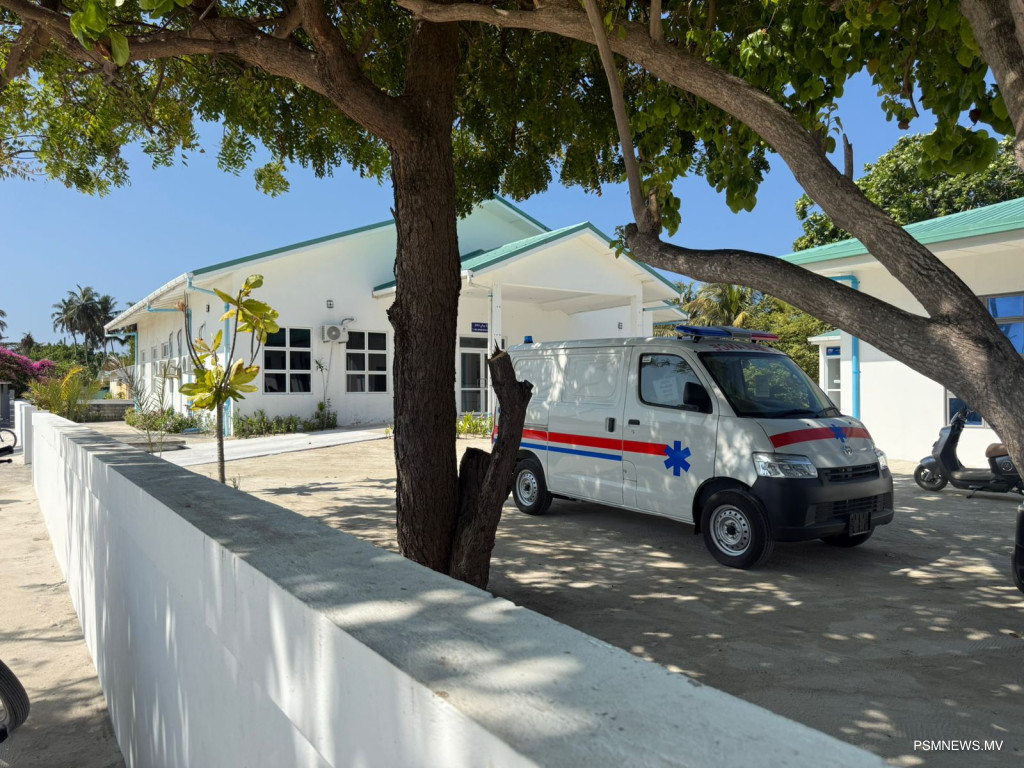
President Dr Mohamed Muizzu has announced a significant expansion of Aasandha, the national health insurance scheme, to provide ambulance services for non-emergency situations beginning 1 April. Detailed during a press briefing at the President’s Office, the policy follows extensive consultations with public health and government authorities to broaden vehicular medical transport beyond critical care.
President Muizzu underscored that the administration rigorously evaluated the logistical and fiscal realities of the expansion. "This decision was reached after prolonged discussions at a technical level, which included a thorough examination of the financial and budgetary implications, as well as critical operational considerations," he stated.
Addressing historical accessibility gaps, President Muizzu noted the change responds to frequent public requests. "For a considerable time, citizens have faced numerous hardships and required substantial relief in this area. Having deliberated extensively, we are introducing this change with the utmost confidence that it will bring meaningful ease and convenience to the people," he added.
Under the new guidelines, Aasandha maintains its role in emergencies and the conveyance of the deceased while newly financing transport for outpatient care for bedridden patients, wheelchair users, and individuals with disabilities, explicitly encompassing those with physical impairments, psychological conditions, autism, and Down syndrome. The policy further permits inter-facility transfers and coordinated transport to local jetties or airports during evacuations.
This revision operates alongside an infrastructure initiative that deployed ambulances to 56 islands last month, with additional two-phase distributions and the procurement of advanced paramedic ambulances continuing this month. The government maintains that universal ambulance access remains a foundational objective of its tenure.